Living in New York means constantly traveling through food. One evening might bring the flavors of the Mediterranean, another the comfort of Italian classics, and sometimes the rich culinary traditions of Spain’s northern regions.
From Navarra to the Basque Country, Northern Spain offers a culinary landscape shaped by green valleys, Atlantic winds, seasonal ingredients, and a deep respect for local tradition.
Unlike the sun-soaked rice fields of Valencia or the seafood traditions of Galicia, this part of Spain tells a different story. Here, vegetables, cod, pintxos, meats, and rustic desserts all play an essential role in the way people gather around the table.
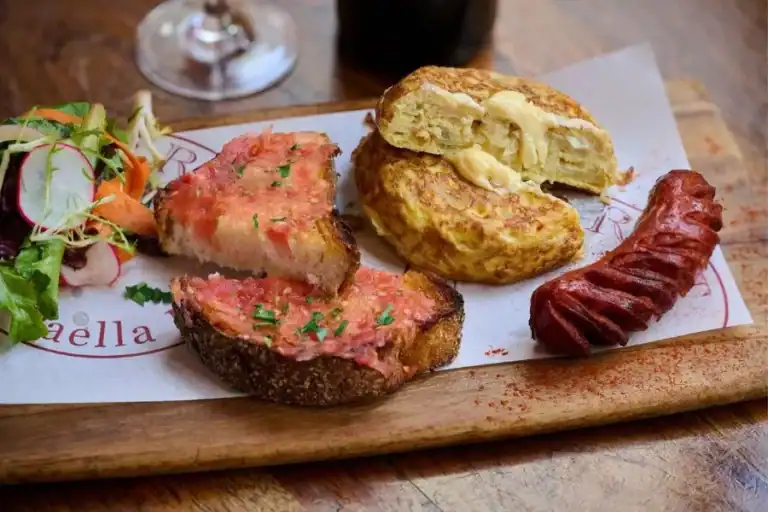
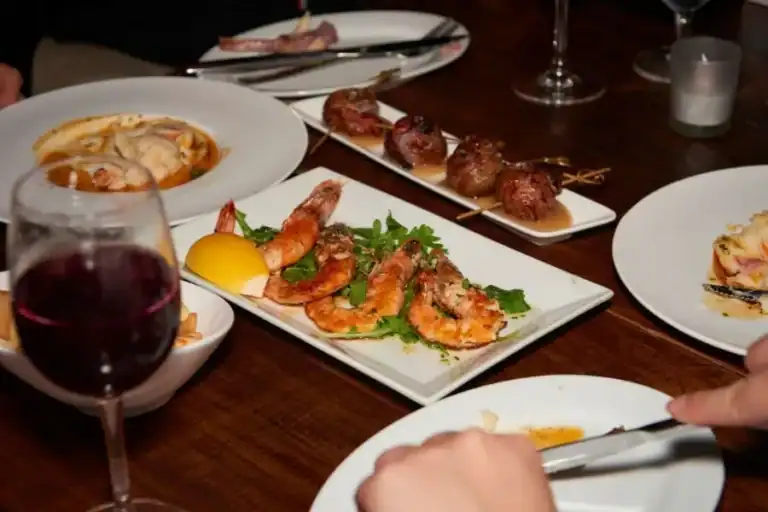
At Socarrat Paella Bar, a Spanish restaurant in New York City, the Basque food traditions and Navarrese flavors of northern Spain help bring the diversity of Spanish cuisine to Manhattan, offering diners a taste of Spain that goes far beyond one single dish.
Let’s explore the flavors of Navarra and the Basque Country, and how the spirit of Northern Spain continues to inspire Spanish dining in New York.
Navarra: The Vegetable Garden of Northern Spain
Navarra is often known as the vegetable garden of Spain thanks to its fertile lands along the Ebro River. Seasonal produce plays a central role in the region’s cuisine, especially during spring, when markets fill with fresh vegetables harvested at their peak.
One of the most celebrated ingredients is white asparagus from Navarra, prized for its delicate flavor and tender texture. Unlike the thinner green asparagus more common in the United States, these thick white spears are harvested before exposure to sunlight, resulting in a milder, almost buttery taste.
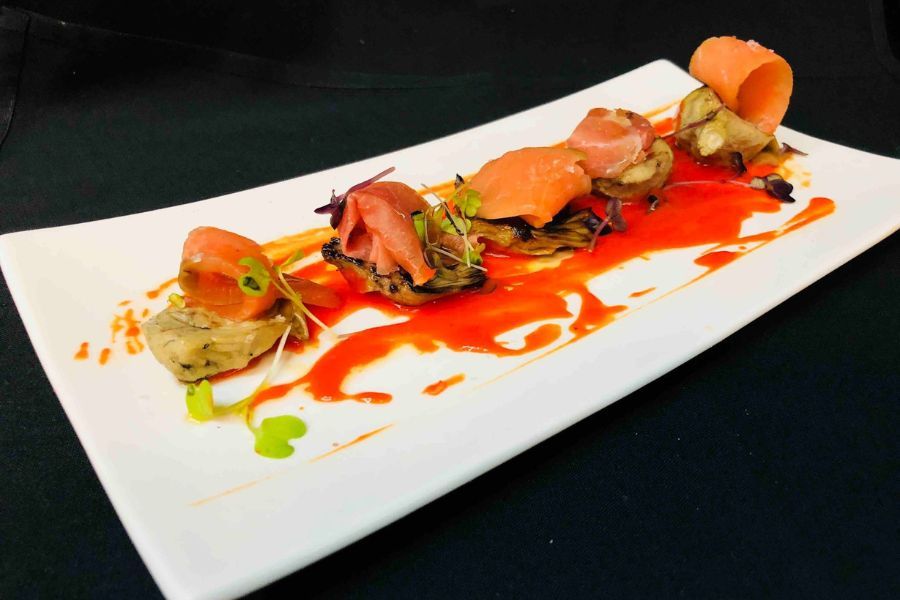
Another regional favorite is the piquillo pepper, traditionally roasted over open flames and peeled by hand. These sweet peppers are often stuffed with seafood or meats, or simply served with olive oil and garlic.
Artichokes, cardoons, mushrooms, and seasonal vegetables also shape everyday cooking across Navarra, reflecting a cuisine deeply connected to the land.
At Socarrat, seasonal tapas and vegetable-forward dishes reflect this northern Spanish philosophy, where simple ingredients prepared with care become the center of the table. For lovers of northern Spain food in New York, these Spanish tapas represent one of the most authentic ways to experience the Navarrese tradition without leaving Manhattan.
Basque Pintxos in New York: Small Bites, Big Tradition
In the Basque Country, dining often begins with pintxos, small bites traditionally displayed across busy bar counters.
While pintxos are sometimes compared to tapas, they carry their own identity and culture. Many are served over slices of bread and secured with a toothpick, combining ingredients like anchovies, olives, cured meats, seafood, and creamy spreads.
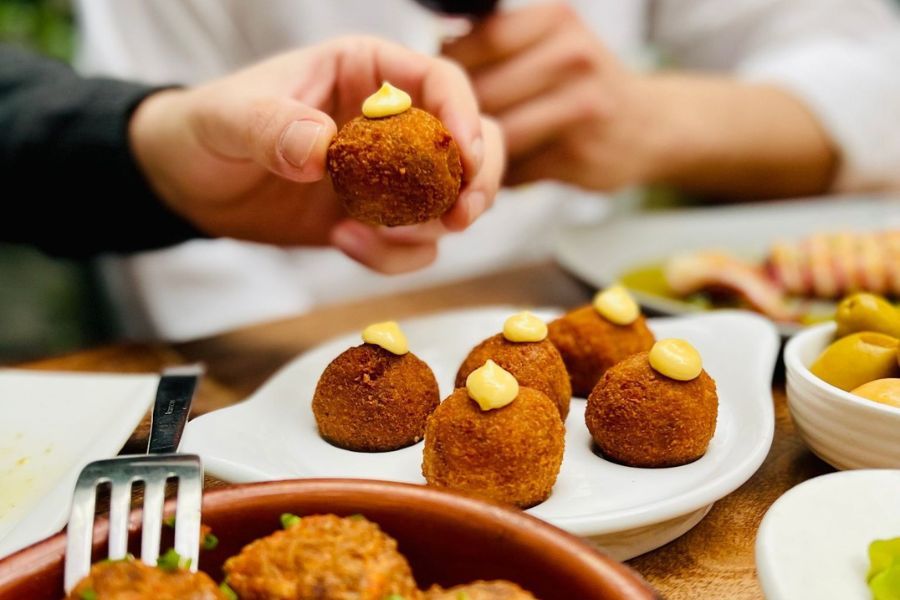
Classic pintxos include:
- Gildas with anchovies, olives, and peppers
- Crab or seafood salads on toasted bread
- Garlic mushrooms topped with egg yolk
- Small sandwiches filled with slow-cooked meats
The beauty of pintxos culture lies in its spontaneity. Friends move from bar to bar, sharing small plates, ordering drinks, and turning the meal into a social experience rather than a formal event.
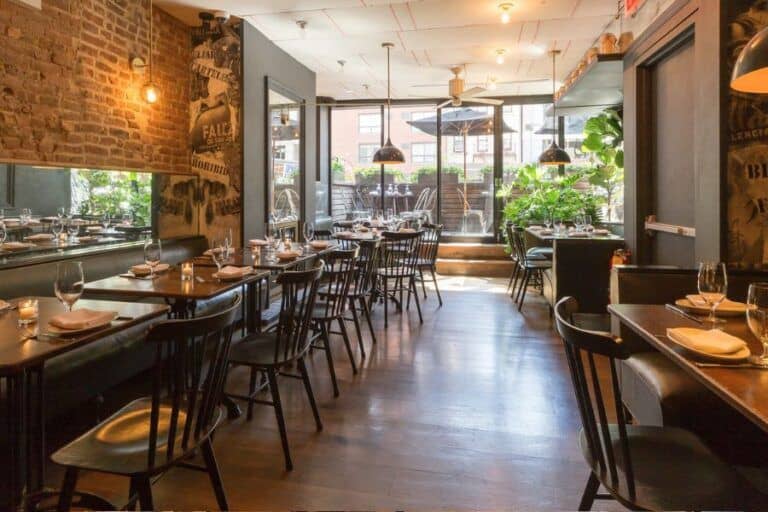
At Socarrat, that same spirit lives on through tapas designed for sharing, encouraging guests to explore multiple flavors together. As a Basque-inspired Spanish restaurant in New York, Socarrat brings this culture of Spanish tapas to its three Manhattan locations — Chelsea, Nolita, and Midtown East — so that every table becomes a small Basque bar in the middle of New York.
Bacalao: A Basque Food Staple
Salt cod, or bacalao, holds an important place throughout Northern Spain, particularly in Basque cuisine.
Historically preserved for long journeys and coastal trade, cod became one of the region’s defining ingredients and continues to appear in countless traditional recipes.
Two of the most famous preparations include:
Bacalao al pil-pil, where cod is slowly cooked in olive oil until its natural gelatin creates a silky sauce with garlic and chili. And bacalao a la vizcaína, served with a rich red pepper sauce that reflects the deep flavors of Basque cooking.
Beyond these two iconic recipes, bacalao also appears in croquetas, salads, stuffed into piquillo peppers, and mixed with scrambled eggs. Its versatility makes it one of the most representative ingredients in northern Spain food, and its presence on the menu of a Spanish restaurant in New York is always a reliable sign of a kitchen that takes its craft seriously.
Even beyond Spain, bacalao remains closely associated with traditional Spanish cuisine and continues to inspire seafood dishes served in restaurants throughout New York.
Basque Cheesecake in New York: Spain's Most Famous Modern Dessert
One of Spain’s most internationally recognized desserts comes from the Basque city of San Sebastián: Basque cheesecake.
Originally created at the restaurant La Viña, this cheesecake is intentionally baked at high heat so the exterior caramelizes while the inside remains soft, creamy, and almost custard-like.
Its rustic appearance and rich texture quickly turned it into a global culinary phenomenon, appearing on dessert menus across New York and beyond.
Today, Basque cheesecake in New York is one of the most searched desserts among Spanish food lovers in the city. Its success reflects something genuine about Basque food culture: the ability to turn a simple recipe into a memorable experience. Finding it at a Spanish restaurant in New York that makes it well is, in itself, a small mark of quality.
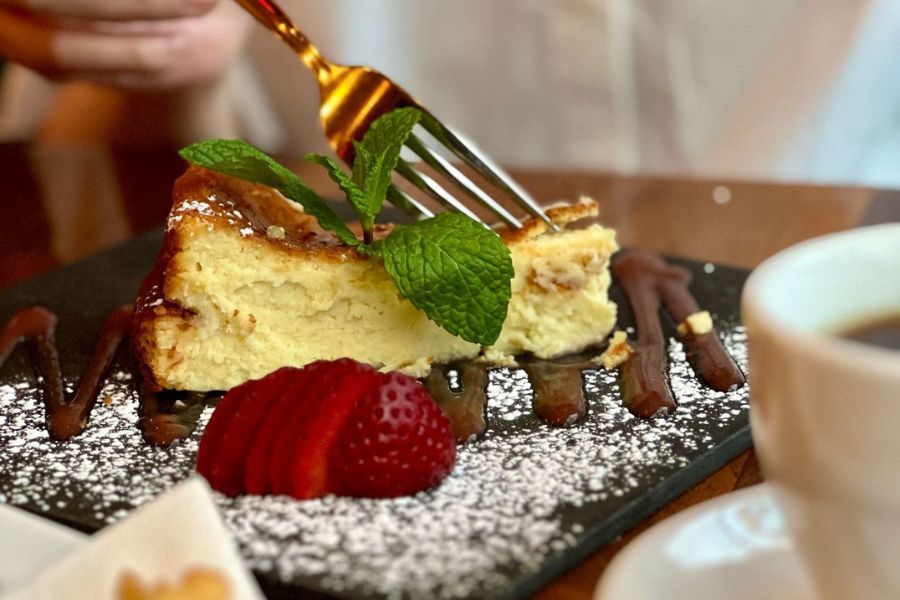
Desserts like this reflect another important aspect of Spanish dining culture — meals are meant to unfold slowly, with conversation continuing long after the last course arrives.
The Northern Spanish Way of Eating Together
Across Navarra and the Basque Country, meals are about more than food itself. Dining is treated as time to gather, share stories, and enjoy seasonal ingredients without rushing.
Wine flows slowly, dishes arrive gradually, and the table becomes a place for connection.
This approach feels naturally at home in New York, where restaurants often become spaces for celebrations, reunions, and evenings shared among friends.
At Socarrat, that spirit continues through tapas served for the center of the table, paellas meant for sharing, and meals designed to be experienced together.
Bringing Northern Spain to the Table in New York
For those who have traveled through Spain, flavors like roasted piquillo peppers, bacalao, or creamy Basque cheesecake can instantly evoke memories of San Sebastián’s lively bars or Navarra’s countryside kitchens.
For others, these dishes offer an introduction to a region where cuisine is shaped equally by the land, the sea, and the culture of gathering around the table.
Northern Spanish cuisine reminds us that great food often comes from simplicity: seasonal ingredients, careful preparation, and the pleasure of sharing a meal with others.
And sometimes, right in the middle of Manhattan, a table filled with tapas, Basque food, pintxos, and paella can bring the spirit of Northern Spain just a little closer.
If you want to experience it for yourself, reserve your table at any of Socarrat’s three Manhattan locations and discover why this Spanish restaurant has become one of New York’s most beloved destinations for paella and authentic Spanish tapas.
Spain’s culinary traditions stretch far beyond the north. To continue exploring regional Spanish cuisine, discover the flavors of Galicia and Valencia in the next stories from our Flavors of Spain series.