How to Make Torrijas: Traditional Spanish Easter Recipe
Among all the traditional desserts enjoyed during Easter in Spain, torrijas stand out as one of the most iconic.
Simple in ingredients yet rich in flavor, this classic dish has been part of Spanish culinary traditions for generations. Especially popular during Semana Santa, torrijas reflect a style of cooking that transforms humble ingredients into something deeply comforting.
What Are Torrijas?
Torrijas are often compared to French toast, but the result is softer, richer, and more indulgent.
Slices of bread are soaked in infused milk, dipped in egg, fried until golden, and finished with sugar, cinnamon, or honey. The texture is tender on the inside with a lightly crisp exterior—perfectly balanced between dessert and comfort food.
Historically, torrijas became popular during Easter as a way to use leftover bread while respecting seasonal food traditions. Today, they remain a staple across Spain during the spring months.
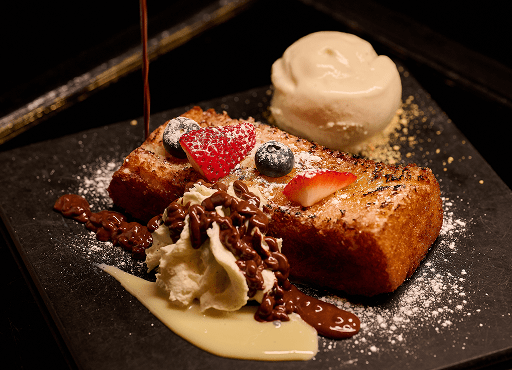
The perfect dessert: Socarrat’s signature torrija
Ingredients (with tips for best results)
To make authentic torrijas at home, ingredient choice makes a big difference:
- Bread: Day-old rustic bread or brioche-style (thick slices)
- Milk: Whole milk for a richer texture
- Eggs
- Sugar
- Cinnamon (sticks or ground)
- Lemon peel
- Honey or sugar for finishing
- Olive oil (for frying)
Using slightly stale bread is key—it absorbs more flavor without falling apart.
Step-by-Step: How to Make Torrijas
1. Infuse the milk
Warm the milk with sugar, cinnamon, and lemon peel over low heat. Do not boil. Let it cool slightly so the bread can absorb it properly.
2. Soak the bread (critical step)
Dip each slice into the milk and let it soak until fully saturated but still holding its shape.
This step defines the final texture—soft inside, not dry.
3. Coat with egg
Carefully transfer the soaked bread into beaten eggs, coating both sides evenly.
4. Fry at the right temperature
Heat olive oil over medium heat and fry until golden brown.
If the oil is too hot, the outside will burn before the inside is ready.
5. Finish while warm
Remove from the pan and finish immediately:
- Honey → richer, traditional finish
- Sugar + cinnamon → lighter, slightly crisp
Tips for Perfect Torrijas (What Makes the Difference)
- Use thick slices to avoid breaking
- Let the bread rest after soaking for even absorption
- Fry in batches to keep oil temperature stable
- Serve warm or slightly cooled—never straight from the fridge
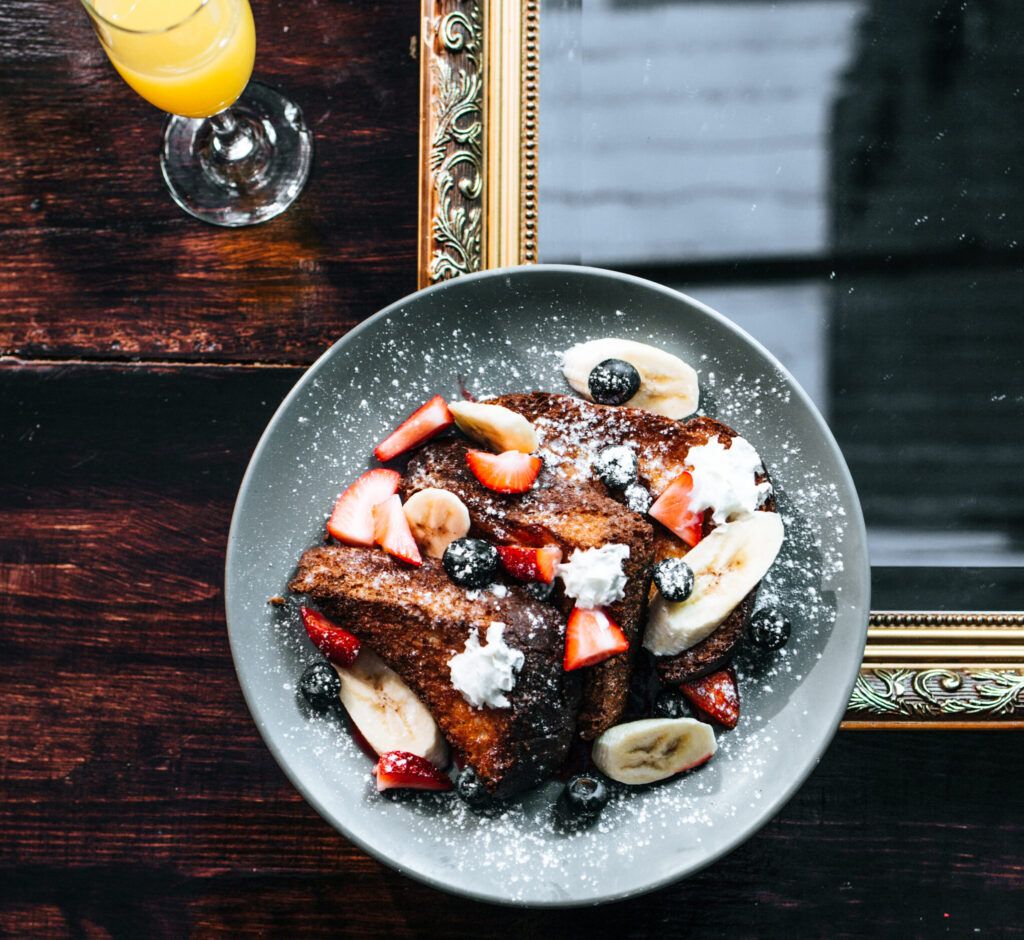
Why Torrijas Are So Popular During Easter
Torrijas are more than just a dessert. They represent a moment in the year where tradition, seasonality, and simplicity come together.
Their ingredients are accessible, their preparation is straightforward, and their flavor is unmistakably comforting. It’s a recipe that has been passed down through generations, remaining closely tied to Easter celebrations across Spain.
From Spanish Homes to the Table in NYC
Today, torrijas continue to evolve beyond Spain while staying true to their roots.
In New York, Socarrat features torrijas as one of its signature desserts, prepared with the same attention to texture and flavor that defines the traditional recipe. It’s a reflection of how classic Spanish dishes can be preserved while adapted to a modern dining experience.
Explore More
Curious about the traditions behind this dish?
Read more about Easter food traditions in Spain