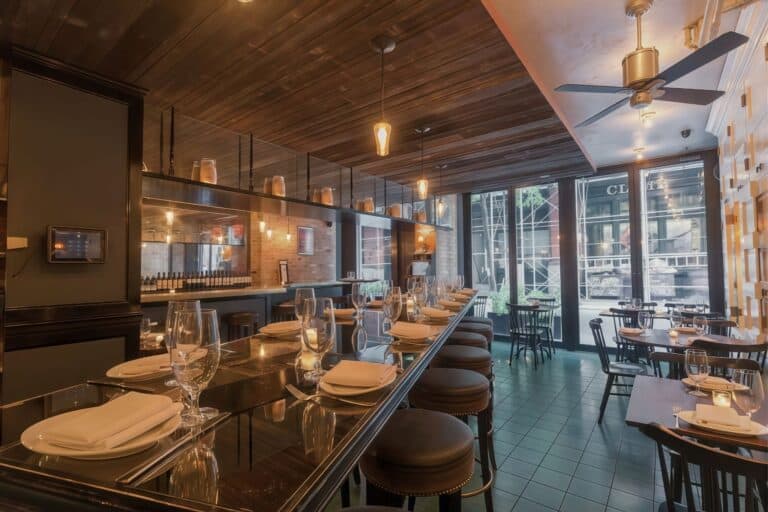
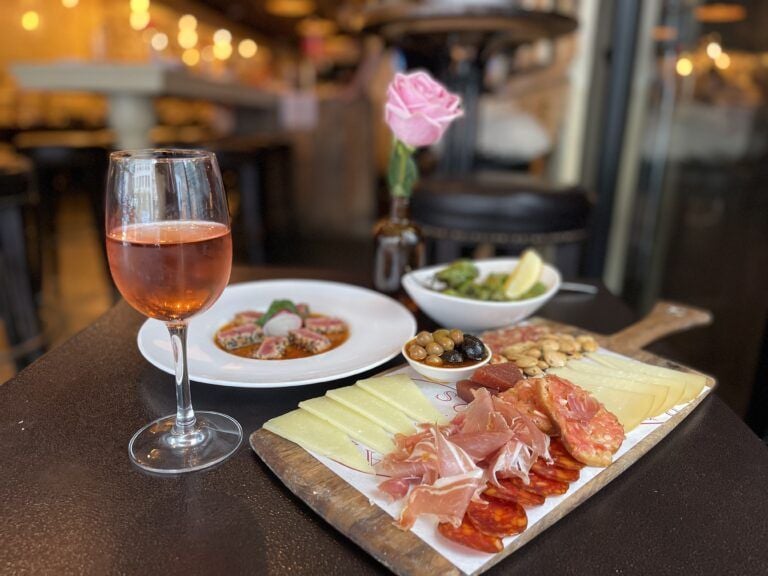
Paella is Spain’s most iconic rice dish, and if you’re looking to enjoy the best Spanish paella in NYC, Socarrat brings the same traditional techniques and flavors found in Spain.
— a versatile, crowd-pleasing meal that works as a main course, a shareable centerpiece, or the star of a weekend dinner party. Made with a mix of vegetables, protein, and perfectly cooked rice, it’s a dish that rewards a little patience with a lot of flavor.
If you’ve ever wondered how to make paella at home, this guide walks you through the ingredients, the traditional pan, and every step — from sautéing the sofrito to getting that prized crispy layer of rice known as the socarrat.
Traditionally, paella is cooked in a paellera: a wide, shallow pan with sloped sides, usually around 13 inches (33 cm) in diameter. The shape matters — it lets the rice cook in a thin, even layer instead of steaming in a deep pot.
Paella Ingredients
The exact ingredients change depending on which paella you’re making. The traditional Valencian version leans on local, land-based ingredients, while the seafood-forward versions popular with visitors to Spain include shrimp, calamari, mussels, and other shellfish. Fresh vegetables also make for a great vegetarian paella.
A few basics stay the same no matter which version you make. Here’s a simple paella recipe to start with:
| Ingredient | Amount |
|---|---|
| Rice (short-grain, such as bomba) | 4 oz |
| Fish broth | 16 oz |
| Olive oil | 2 tbsp |
| Tomato | 1 |
| Onion | 2 oz |
| Garlic | 1 clove |
| Scallops | 3 |
| Small shrimp | 8 |
| Whitefish | 5 oz |
| Calamari | 3 oz |
| Clams | 3 |
| Mussels | 6 |
| Salt and pepper | To taste |
Equipment: A thick, 15-inch cast-iron skillet or a traditional paellera.
How to Make Paella at Home
One of the best things about paella is how adaptable it is — shrimp, chicken, or vegetables all work, depending on what you have on hand. Some people like their paella extra saucy; others prefer it drier, with a firmer, more toasted rice.
Fish broth is recommended over chicken broth for the seafood versions, though chicken broth works too. Frozen seafood is a fine substitute when fresh isn’t available. For a vegetarian version, swap in vegetables like cauliflower and carrots.
The whole process — prep, cooking, and resting — takes about an hour, which makes paella a great weekend project: prep the ingredients the day before, refrigerate them, and you’ll spend less time in the kitchen and more time with your guests.
Step-by-Step Paella Recipe Instructions
- Prep the base. Mince the garlic and dice the tomato and onion.
- Prep the seafood. Slice the cleaned calamari (buy shrimp already peeled, or peel your own), dice the whitefish, rinse the clams and mussels, and halve the scallops. Keep each ingredient in its own bowl.
- Build the sofrito. Heat the skillet over medium heat with the olive oil, then add the chopped tomato, onion, and garlic. Cook gently for 8–10 minutes. Stir in the rice and calamari and cook for 2 more minutes.
- Add the broth. Turn the heat to high and pour in the fish broth.
- Move to the oven. Preheat the oven to 450°F. Keep stirring the mixture until about 75% of the broth has evaporated.
- First bake. Transfer the pan to the oven and cook for 15–20 minutes, rotating and checking every 7 minutes.
- Check for doneness. The pan is ready to come out when the rice turns golden-brown at the edges and most of the broth has evaporated — this is the beginning of the socarrat, the crispy bottom layer paella is famous for.
- Add the seafood. Arrange the seafood on top of the rice and return the pan to the oven for another 5–6 minutes. Check that the clams and mussels have opened.
- Finish and rest. Remove from the oven, drizzle with a little more olive oil, and season with salt and pepper. Let the paella rest for a few minutes before serving.
- Garnish. Top with thinly sliced piquillo peppers and fresh peas for color and flavor.
Tips for the Best Homemade Paella
- Don’t stir once it’s in the oven. Resisting the urge to stir is what lets the socarrat form on the bottom.
- Use short-grain rice. Long-grain rice won’t absorb the broth the same way and will leave you with a mushier result.
- Serve it family-style. Paella is a communal dish — everyone gathers around the pan and eats directly from it. If group dining isn’t an option, spoon individual portions onto separate plates instead.
Frequently Asked Questions
What is the socarrat in paella? The socarrat is the thin, crispy, caramelized layer of rice that forms at the bottom of the pan during cooking. It’s considered one of the best parts of a well-made paella.
What’s the difference between Valencian and seafood paella? Valencian paella is the traditional version, built around local, land-based ingredients. Seafood paella swaps in shrimp, calamari, mussels, and other shellfish, and is the version most visitors to Spain associate with the dish.
Can I make paella without seafood? Yes. A vegetarian paella works well with vegetables like cauliflower and carrots in place of the seafood, following the same sofrito-and-rice method.
How long does paella take to make? Including prep, cooking, and resting, homemade paella takes about an hour from start to finish.
Taste Real Paella at Socarrat
Prefer to skip the cooking and go straight to the eating? At Socarrat Paella Bar, our chefs prepare a full range of paellas — from the traditional Valencian recipe to modern twists on the classic — using the same techniques described above. You can even build your own, choosing your rice, protein, and toppings, and our kitchen will bring it to life.
👉 Explore our paella menu or reserve a table at one of our three NYC locations — Chelsea, Midtown East, or Nolita.