Living in New York means constantly traveling through food. One night you’re tasting flavors from Southeast Asia, the next enjoying Italian classics, and sometimes, if you’re lucky, sitting in front of a steaming pan of paella that instantly transports you to Spain’s Mediterranean coast.
Among Spain’s many regional cuisines, Valencia holds a special place. Known for its sunshine, rice fields, and relaxed coastal lifestyle, the region is the birthplace of one of the most famous dishes in the world: paella.
But beyond the international fame, Valencian cuisine tells a deeper story about land, tradition, and the art of cooking meals meant to be shared. And in New York, restaurants like Socarrat help keep that tradition alive.
Let’s explore the flavors of Valencia and why paella continues to bring people together, even thousands of miles from Spain.
Paella: More Than a Dish, a Tradition
Many people think of paella simply as a rice dish, but in Valencia, paella is a ritual.
Traditionally cooked outdoors on Sundays, families gather around an open fire while the rice slowly cooks in a wide, shallow pan also called a paella. Conversations happen around the cooking process, friends drop by, and the meal becomes an event rather than just lunch.
The original Paella Valenciana combines ingredients from the countryside: chicken, rabbit, green beans, sometimes snails, olive oil, and saffron, all cooked slowly so the rice absorbs every flavor.
And at the bottom of the pan forms what many consider the best part: the socarrat, the thin layer of crispy rice created when the rice caramelizes slightly against the pan.
This prized texture is so beloved that it inspired the name of Socarrat, bringing this essential part of Valencian cooking to New York tables.
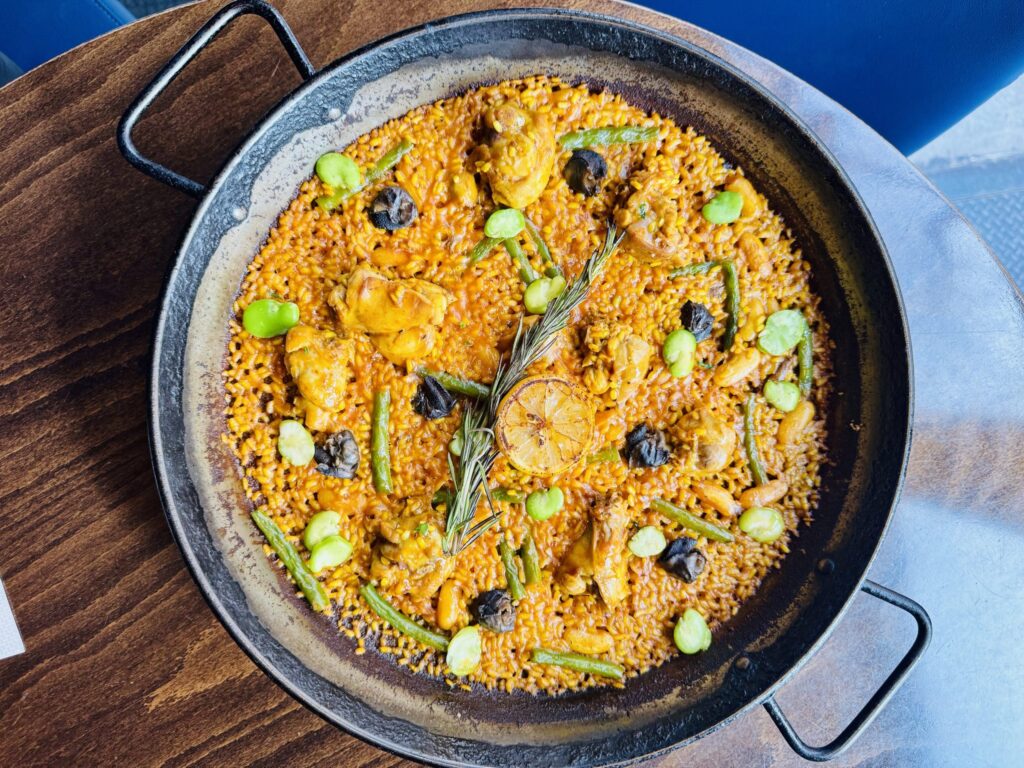
Valencian paella with socarrat served at Socarrat Paella Bar in New York
Rice Culture: Valencia’s Culinary Identity
Valencia’s landscape is shaped by rice fields surrounding the Albufera lagoon, just south of the city. Rice cultivation dates back to the Moorish period, and over centuries locals perfected techniques that transformed rice into the foundation of countless dishes.
Beyond traditional paella, Valencian cuisine includes many rice variations:
- Arroz a banda, seafood-flavored rice traditionally served with fish on the side.
- Arroz negro, colored and flavored with squid ink.
- Seafood paellas, combining shrimp, mussels, and clams.
- Baked rice dishes cooked slowly in clay pots.
What they all share is respect for technique: rice cooked evenly, absorbing flavor while remaining separate and never creamy like risotto.
At Socarrat, this rice tradition continues through a variety of paellas meant for sharing, allowing guests to experience Valencia’s most important culinary legacy in the heart of Manhattan.
Mediterranean Ingredients, Simple and Seasonal
Valencian cuisine reflects Mediterranean cooking at its best: seasonal vegetables, olive oil, seafood, and bright flavors that suit warm coastal weather.
Dishes often highlight tomatoes, peppers, artichokes, fresh herbs, and seafood caught along the coast. Meals are vibrant yet comforting, designed for long afternoons spent outdoors with friends and family.
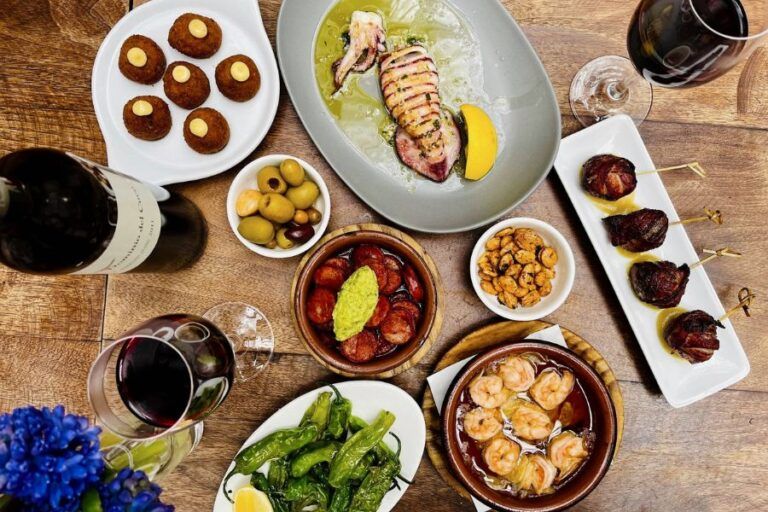
Tapas culture also thrives here, with small plates enjoyed before the main meal, encouraging conversation and relaxed dining — something that feels surprisingly natural in New York’s social restaurant scene.
Socarrat embraces this Mediterranean philosophy, offering tapas and shared plates that set the tone before paella arrives at the table as the centerpiece.
Horchata and the Sweet Side of Valencia
Valencia also has its own iconic drink: horchata de chufa, made from tiger nuts grown locally. Served cold and refreshing, it’s traditionally enjoyed with fartons, soft pastries perfect for dipping.
This refreshing tradition shows another side of Valencian cuisine — one connected to leisurely afternoons, warm weather, and simple pleasures shared among friends.
The Valencian Way of Eating Together
In Valencia, meals are social events. Paella is rarely cooked for one person; it is made to be shared. Families and friends gather, plates pass across the table, and conversations stretch long after the meal ends.
This idea of eating together rather than individually fits perfectly with New York’s dining culture, where restaurants often become meeting places for celebrations, reunions, and date nights.
At Socarrat, paella arrives at the center of the table, encouraging guests to serve one another and experience food as a communal moment rather than a solitary dish.
Bringing Valencia to the Table in New York
For those who have traveled to Spain, the aroma of saffron rice can instantly recall seaside lunches and sunny afternoons. For newcomers, paella offers an introduction to a culture where food is deeply tied to gathering and hospitality.
Valencian cuisine reminds us that the best meals are often the simplest: quality ingredients, careful cooking, and people gathered around the same table.
And sometimes, right here in Manhattan, all it takes is a pan of paella, a spoon passed between friends, and that golden layer of socarrat to feel a little closer to Valencia.